A clogged drain is annoying. A drain that clogs again and again? That’s a sign something deeper is going on. If you find yourself reaching for the plunger every few weeks, you’re not dealing with a simple blockage—you’re dealing with a plumbing problem that needs real attention.
There’s a big difference between a one-time clog and a recurring one. A single blockage usually happens when something gets stuck in your pipes. But when the same drain keeps backing up, the issue often lives further down your plumbing system. Clearing the surface clog might buy you a few days of relief, but the problem always comes back.
That’s why finding the underlying cause matters so much. Treating the symptom over and over wastes your time, your money, and eventually your patience. This guide walks through the most common reasons drains keep clogging, the warning signs worth watching, and what you can do to fix the problem for good.
Hair and Soap Buildup
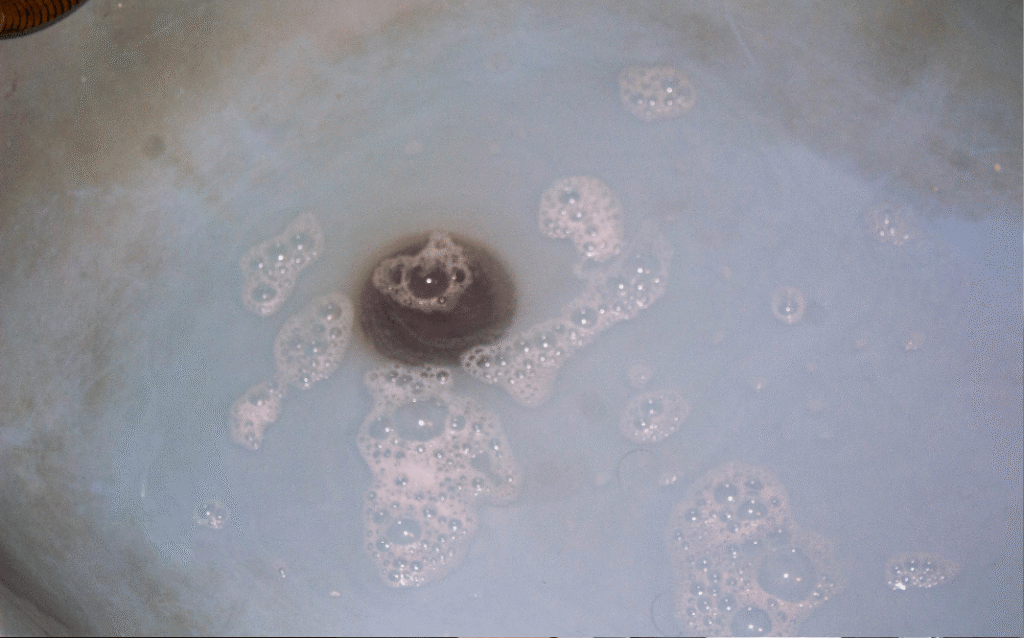
Bathroom drains face a constant battle with hair and soap. Every time you shower or wash your hands, strands of hair slip down the drain and catch on the inside of your pipes. Over time, they tangle together and form a stubborn mat.
Soap makes it worse. Soap scum and residue cling to the walls of your pipes, creating a sticky surface that traps even more hair and debris. Little by little, the passage narrows. What started as a slow drain becomes a full blockage.
This is why the problem tends to get worse gradually. You might notice water pooling around your feet in the shower long before the drain stops completely. That slow build is a clear signal that buildup is forming somewhere in the pipe.
Grease, Oil, and Food in Kitchen Drains
Your kitchen sink has its own set of enemies: grease, oil, and food scraps. Pouring grease down the drain might seem harmless when it’s hot and liquid, but that’s a mistake many homeowners regret.
Once grease and oil cool inside your pipes, they harden and stick to the pipe walls. Each new pour adds another layer, shrinking the space water can flow through. Eventually, the buildup traps food particles and creates a solid blockage that’s tough to clear.
Food scraps cause trouble too. Coffee grounds, rice, pasta, and fibrous vegetable peels don’t break down easily and can collect deep in your plumbing. Even with a garbage disposal, some foods are better off in the trash than down the drain.
Flushing the Wrong Items
Toilets are designed to handle three things: water, waste, and toilet paper. Anything else can lead to trouble. Wipes, paper towels, cotton products, and hygiene items don’t break down the way toilet paper does.
The word “flushable” causes a lot of confusion. Many products labeled flushable technically make it down the toilet, but they don’t dissolve quickly. Instead, they travel through your pipes and snag on anything in their path, adding to a growing clog.
To keep your plumbing clear, stick to the basics. Only flush toilet paper and human waste. Everything else belongs in the bin.
Foreign Objects in the Drain
Sometimes a clog has a very simple cause: something fell in. Small objects can slip into sinks, tubs, and toilets without you noticing. Bottle caps, jewelry, toys, and cotton swabs are common culprits.
Homes with young children see this problem often. Kids are curious, and it’s not unusual for a small toy or two to end up flushed down the toilet.
Once an object enters your plumbing, it can lodge itself deeper in the system, blocking the flow of water and catching other debris as it passes. These clogs rarely clear on their own and often need professional removal.
Mineral and Scale Buildup
If you have hard water, minerals like calcium and magnesium can slowly build up inside your pipes. This buildup, known as scale, forms a rough layer along the pipe walls.
As scale accumulates, it reduces the space available for water to flow. The narrower the pipe, the more easily debris gets trapped—and the more often your drain clogs.
Older plumbing is especially vulnerable. Aging pipes may already have some corrosion or rough spots that give minerals a place to grab hold, making buildup happen faster.
Tree Roots in Sewer Lines
Outside your home, tree roots search for water and nutrients. Your sewer line, full of moisture, is exactly what they’re looking for. Roots can work their way into damaged or aging sewer pipes through tiny cracks and joints.
Once inside, roots grow quickly and can fill the entire pipe, catching waste and causing major blockages. Warning signs of a sewer-line problem include slow drains throughout the house and gurgling sounds from your toilet.
One of the biggest clues is when multiple drains clog at the same time. That usually means the problem isn’t with a single fixture—it’s with the main line that serves your whole home.
Damaged or Aging Drain Pipes
Pipes don’t last forever. Over the years, they can crack, collapse, corrode, or shift out of alignment. Any of these issues can restrict water flow and create a spot where clogs form again and again.
When pipes are damaged, clearing the clog only offers temporary relief. The blockage keeps returning because the underlying damage is still there, trapping debris in the same weak spot.
If your drain clogs repeatedly despite regular cleaning, damaged pipes may be to blame. A professional inspection can reveal what’s happening inside your plumbing and whether repairs are needed.
Improper Drain or Plumbing Installation
Not every recurring clog comes from wear or debris. Sometimes the problem goes all the way back to how the plumbing was installed.
Pipes need the right slope to let gravity carry water and waste away. If the slope is too flat or too steep, waste can settle and build up. Poor drain configuration and awkward angles create similar problems, giving debris more chances to snag.
If your drains have clogged since the day you moved in, the original installation could be the root cause. Fixing this usually requires a plumber to reconfigure the affected section of pipe.
Signs Your Clogged Drain Needs Professional Attention
Some clogs you can handle yourself. Others are a signal to call a professional. Watch for these warning signs:
- Your drain repeatedly becomes clogged despite your best efforts to clear it.
- Multiple drains are slow at the same time, pointing to a deeper issue.
- Gurgling sounds come from your drains or toilet.
- Unpleasant odors rise from your drains or sewer.
- Water backs up into another fixture when you use a sink, shower, or toilet.
- Plunging or basic cleaning doesn’t solve the problem for more than a few days.
If you notice any of these, it’s time to bring in an expert before a small issue turns into a costly repair.
How a Professional Plumber Can Diagnose a Recurring Clog
A skilled plumber does more than clear the clog in front of them. They look for the real reason your drain keeps backing up.
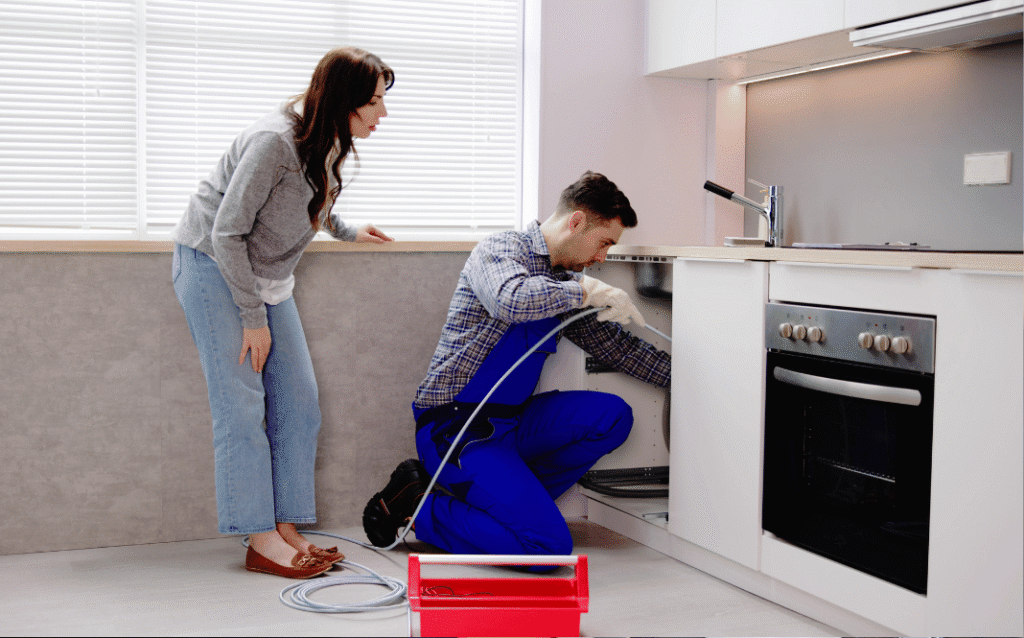
Professional drain cleaning removes buildup that home tools can’t reach. Beyond that, a plumber can inspect your plumbing system—often using specialized cameras—to see exactly what’s happening inside your pipes.
This kind of inspection can reveal deeper blockages, damaged pipes, tree root intrusion, or installation problems. By identifying the true cause, a plumber can address the source of the issue instead of repeatedly treating the symptom.
How to Help Prevent Future Drain Clogs
A few simple habits can keep your drains flowing smoothly and reduce the chance of future clogs:
- Use drain strainers in sinks and showers to catch hair, food, and debris before they enter your pipes.
- Keep grease and food waste out of drains. Let grease cool and toss it in the trash instead of pouring it down the sink.
- Be careful about what gets flushed. Stick to toilet paper and waste only.
- Address slow drains early, before they become fully blocked. A slow drain is an easy problem to fix if you catch it in time.
- Schedule professional service for recurring problems so the underlying cause gets fixed for good.
Stop Recurring Drain Problems at the Source
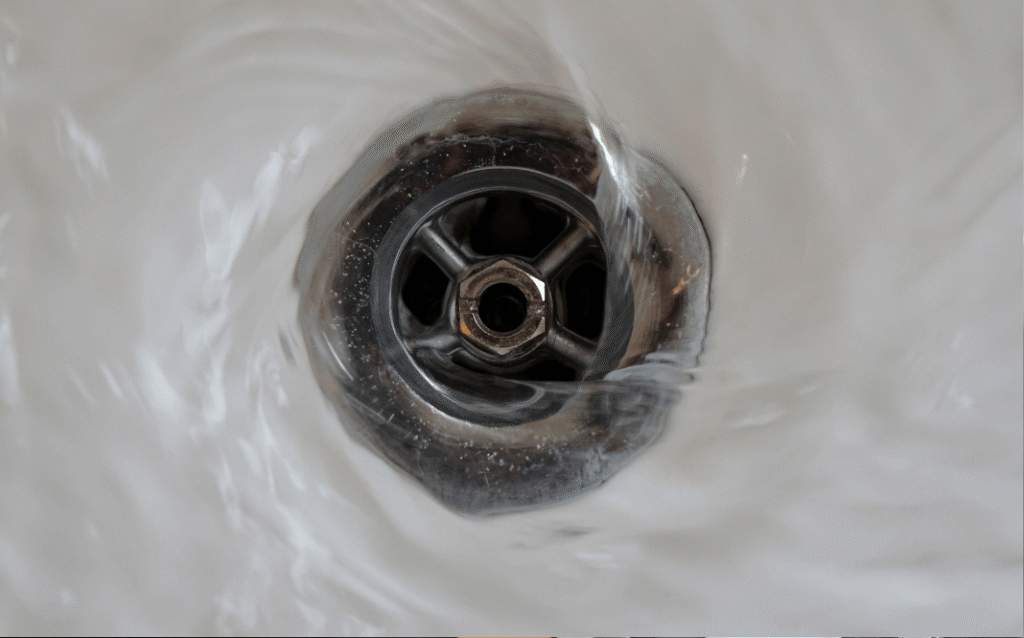
A drain that keeps clogging is trying to tell you something. Whether it’s hair and soap in the bathroom, grease in the kitchen, tree roots in the sewer line, or aging pipes, the pattern points to a cause that surface cleaning can’t fix.
The smartest move is to stop guessing and start investigating. Instead of clearing the same clog month after month, look for the deeper reason behind it. Fixing the source saves you money and spares you the frustration of a drain that never quite works right.
Dealing with a drain that keeps clogging? Contact our professional plumbers to have the problem properly diagnosed and repaired.