Plumbing problems don’t all carry the same level of urgency. A slow drip under the kitchen sink is annoying, but it won’t flood your basement overnight. A burst pipe, on the other hand, can pour gallons of water into your home in minutes and cause thousands of dollars in damage before anyone notices.
Knowing the difference between “this can wait until Monday” and “call someone right now” matters because it protects both your home and your wallet. Acting quickly during a true emergency limits water damage, prevents mold growth, and can even keep your family safe from contaminated water or electrical hazards. Waiting too long, or panicking over something minor, can either make a problem worse or cost you unnecessary after-hours fees.
This guide breaks down which plumbing issues count as emergencies, which ones can wait, and what to do while you wait for help to arrive. If you’re dealing with a plumbing crisis and need an emergency plumber in London, Ontario, Davidson Plumbing can help you understand what’s happening and respond quickly.
What Is Considered a Plumbing Emergency?
A plumbing emergency is any situation involving uncontrolled water, sewage exposure, potential property damage, safety concerns, or a complete loss of essential plumbing service. These situations tend to escalate quickly, so they require attention from a professional plumber right away, rather than waiting for the next available appointment.
Not every plumbing issue fits this description. A toilet that runs a little longer than usual or a faucet that drips overnight is worth fixing, but it isn’t actively damaging your home while you wait a day or two for a repair. The key question to ask is whether the problem is getting worse by the minute or whether it’s stable enough to schedule around your routine.
7 Plumbing Problems That May Require an Emergency Plumber
1. Burst or Broken Pipes
A burst pipe is one of the clearest plumbing emergencies. Signs include a sudden drop in water pressure, visible water pooling on floors or ceilings, or the sound of running water when nothing is turned on. Because burst pipes release water continuously, they can cause rapid water damage to flooring, drywall, and personal belongings.
Ontario winters make this especially common, as frozen pipes are one of the leading causes of pipe bursts. If you suspect a burst pipe, shut off the main water supply if it’s safe to do so, then call a plumber immediately.
2. Major Water Leaks
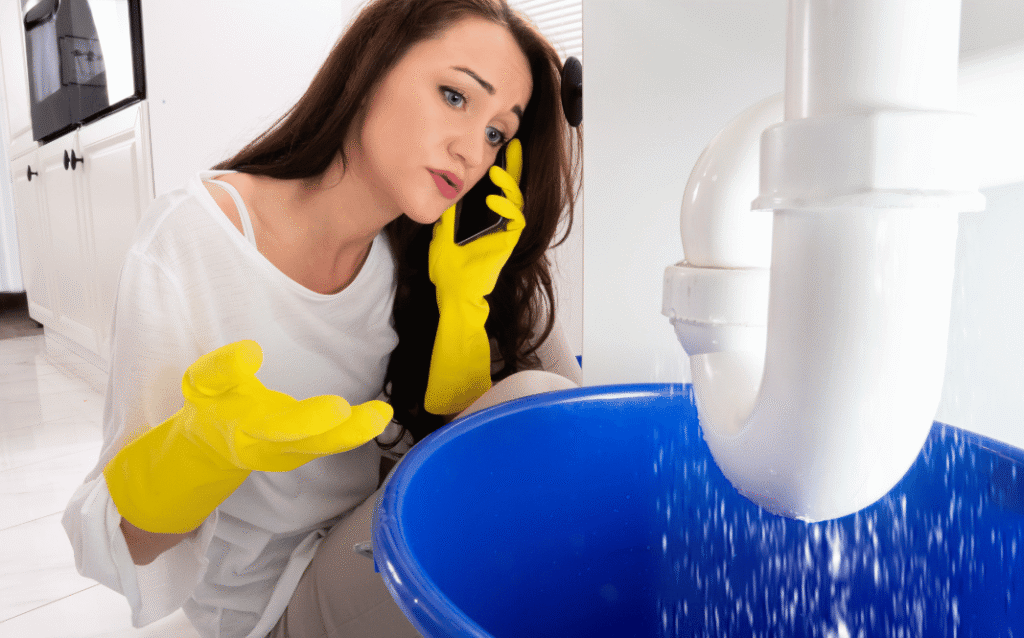
Not all leaks are emergencies, but a major one is. Water pouring from pipes, ceilings, walls, or fixtures suggests significant pressure or a large break in your plumbing system. The difference between a small drip and an uncontrolled leak often comes down to volume and speed: a drip you can catch in a cup is manageable, while a leak that’s actively soaking through walls or ceilings puts your home’s structure at risk.
3. Sewer Backups
Sewage backing up through toilets, tubs, showers, or floor drains is both a plumbing emergency and a health hazard. If multiple drains are backing up at the same time, this usually points to a blockage deeper in your main sewer line, not just one fixture. Avoid using any plumbing fixtures until the issue has been inspected, since running more water can make the backup worse and increase your exposure to contaminated wastewater.
4. Overflowing Toilets
A single clogged toilet that overflows once is often a simple fix. But if a toilet keeps overflowing after flushing, or if water backs up into other fixtures at the same time, you may be dealing with a larger drain or sewer issue rather than a basic clog. Shut off the toilet’s water supply valve, usually located at the base of the toilet, to stop the overflow while you wait for help.
5. No Water in Your Home
If you suddenly have no water at all, first check whether your neighbours are experiencing the same issue. A neighbourhood-wide outage usually points to a municipal problem, not something in your own plumbing. If the loss of water is isolated to your home, the cause could be a failed pressure valve, a major leak elsewhere in the system, or a problem with your main line. A professional diagnosis is necessary to identify the source and restore water service safely.
6. Water Heater Leaks
Some moisture around a water heater is condensation and isn’t cause for alarm. Significant tank leakage is a different story. Watch for water pooling around the base of the unit, which can lead to property damage and, in some cases, signals that the tank itself is failing. A leaking tank often needs to be replaced rather than repaired, so it’s worth having a plumber assess the situation quickly.
7. Frozen Pipes
Frozen pipes are a particular concern for homeowners in London and Southwestern Ontario during the colder months. Warning signs include little or no water coming from a faucet, frost visible on exposed piping, or an unusual smell coming from a drain (which can mean a blockage is preventing air from venting properly). Homeowners shouldn’t attempt unsafe thawing methods, such as using open flames, since this can damage pipes or create a fire hazard. Left untreated, frozen pipes can eventually burst, turning a contained problem into a major one.
What Plumbing Problems Can Usually Wait?
Not every plumbing issue calls for an emergency visit. The following problems are worth repairing, but they generally don’t require immediate, after-hours attention:
- A slowly dripping faucet
- A running toilet that isn’t overflowing
- A single slow drain
- A minor fixture leak that can be isolated (for example, by shutting off a valve under a sink)
- Low water pressure without any other symptoms
These issues won’t cause serious damage if you wait a day or two to schedule a repair. That said, ignoring them indefinitely can lead to higher water bills, worsening clogs, or fixtures that eventually fail altogether.
What Should You Do During a Plumbing Emergency?
Shut Off the Water
Most homes have a main water shutoff valve, along with individual shutoff valves at sinks, toilets, and appliances. Knowing where these are located ahead of time lets you act fast, whether you need to stop water flow to the entire house or just one fixture.
Turn Off Your Water Heater If Necessary
If you’re dealing with a major leak or a complete loss of water, it’s a good idea to turn off your water heater as well. This prevents damage to the unit and reduces the risk of it running without an adequate water supply.
Avoid Using Affected Fixtures
If you’re experiencing a sewer or drain backup, avoid running water, flushing toilets, or using any fixture connected to the affected line. Using them can worsen the backup and increase the risk of contaminated water spreading further into your home.
Protect the Surrounding Area
Where it’s safe to do so, move furniture, electronics, and other belongings away from the affected area. This can prevent additional damage while you wait for a plumber to arrive.
Call a Professional Plumber
When you call, be ready to share key details: the location of the problem, when it started, whether you’ve already shut off the water, and any visible signs of damage. This information helps the plumber prepare the right tools and respond more efficiently.
How Can You Prevent Plumbing Emergencies?
While not every plumbing emergency is avoidable, regular maintenance significantly reduces your risk. Consider the following habits:
- Repair small leaks promptly, before they turn into bigger problems.
- Don’t ignore recurring clogged drains, since they often signal a deeper blockage.
- Maintain your sump pump, especially before heavy rain seasons.
- Protect pipes from freezing by insulating exposed piping and keeping your home adequately heated in winter.
- Know where your main water shutoff is located so you can act quickly in an emergency.
- Have aging plumbing inspected periodically, particularly in older homes.
- Maintain your water heater according to manufacturer recommendations.
- Avoid putting grease and unsuitable materials down drains, as these are common causes of clogs and backups.
When Should You Call an Emergency Plumber?
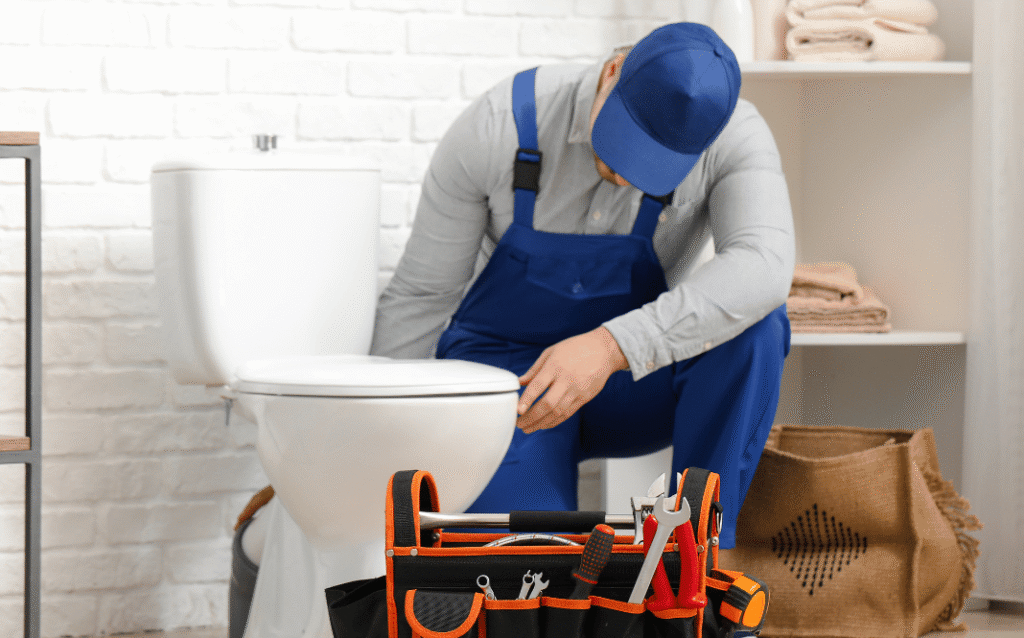
Here’s a simple rule of thumb: if the plumbing problem is causing active water damage, sewage exposure, loss of essential water service, or cannot be safely contained, contact a plumber as soon as possible. When in doubt, it’s better to make the call than to risk further damage to your home.
Need a Plumber in London, Ontario?
If you’re facing a burst pipe, sewer backup, major leak, or any other urgent plumbing issue in London, Ontario, Davidson Plumbing is ready to help. Our team handles residential plumbing repairs, leak detection, drain issues, and emergency plumbing services throughout the area. Don’t wait for a small problem to become a major one — reach out to Davidson Plumbing when you need fast, reliable help.
Frequently Asked Questions
How do I know if my plumbing problem is a real emergency?
If the issue involves uncontrolled water flow, sewage backup, structural damage, or a complete loss of water service, it’s considered an emergency. If it’s a slow, isolated problem like a dripping faucet, it can typically wait for a scheduled repair.
How much does emergency plumbing service cost?
Costs vary depending on the severity of the problem, the time of day, and the repairs needed. Emergency or after-hours service calls generally cost more than scheduled appointments, but addressing the issue quickly can prevent far more expensive water damage.
Can frozen pipes really burst?
Yes. When water freezes inside a pipe, it expands and increases pressure on the pipe walls. If the pressure builds enough, the pipe can crack or burst, leading to significant water damage once it thaws.
Should I try to fix a plumbing emergency myself?
You can take basic steps like shutting off the main water supply or a fixture’s shutoff valve, but most plumbing emergencies require a licensed plumber to diagnose and repair safely. Attempting DIY fixes on major leaks, burst pipes, or sewer backups can sometimes make the problem worse.
What should I do while waiting for an emergency plumber to arrive?
Shut off the water supply if possible, avoid using affected fixtures, and move belongings away from the area. Having this information ready when the plumber arrives helps speed up the repair process.