A dripping faucet. A slow drain. A pipe that makes a strange noise when you run the dishwasher. Plumbing problems almost always start small, and just as often, homeowners brush them aside. The trouble is, what begins as a minor inconvenience can quietly escalate into a costly repair, or worse, serious water damage to your home’s structure.
DIY fixes have their place. Swapping a worn washer or clearing a simple clog is well within reach for most homeowners. But some plumbing issues run deeper than they appear, and attempting to fix them without the right tools or training can make things significantly worse. Knowing when to call a licensed plumber is one of the most important and underrated, home maintenance skills you can have.
Here are 10 signs that it’s time to stop guessing and call a professional.
What does persistent low water pressure mean for your plumbing?
Low water pressure is easy to dismiss as an annoyance, a weak shower, slow-filling sinks, or a faucet that just doesn’t seem to push water the way it used to. But chronic low pressure is rarely a cosmetic issue.
Common causes include mineral buildup inside pipes and fixtures, leaking supply lines, a failing pressure regulator, or problems with the municipal water supply connection. Each of these has a different fix, and diagnosing the right one requires more than a visual inspection. A licensed plumber can test the system, locate the source of the pressure drop, and address it properly—rather than treating the symptom and leaving the underlying issue intact.
How can you tell if a clogged drain is a serious plumbing problem?
A single clog, cleared once and never seen again, is just a clog. Recurring blockages in the same drain or multiple drains backing up at once, are a different story entirely.
Frequent drain clogs can signal grease buildup deep in the line, tree root intrusion, or a compromised sewer line. Many homeowners reach for chemical drain cleaners, but these products can corrode pipe walls over time, especially in older plumbing systems. Professional drain cleaning services use equipment like hydro-jetting and drain cameras to remove blockages thoroughly, without the chemical damage.
Why are slow-draining sinks and showers an early warning sign?
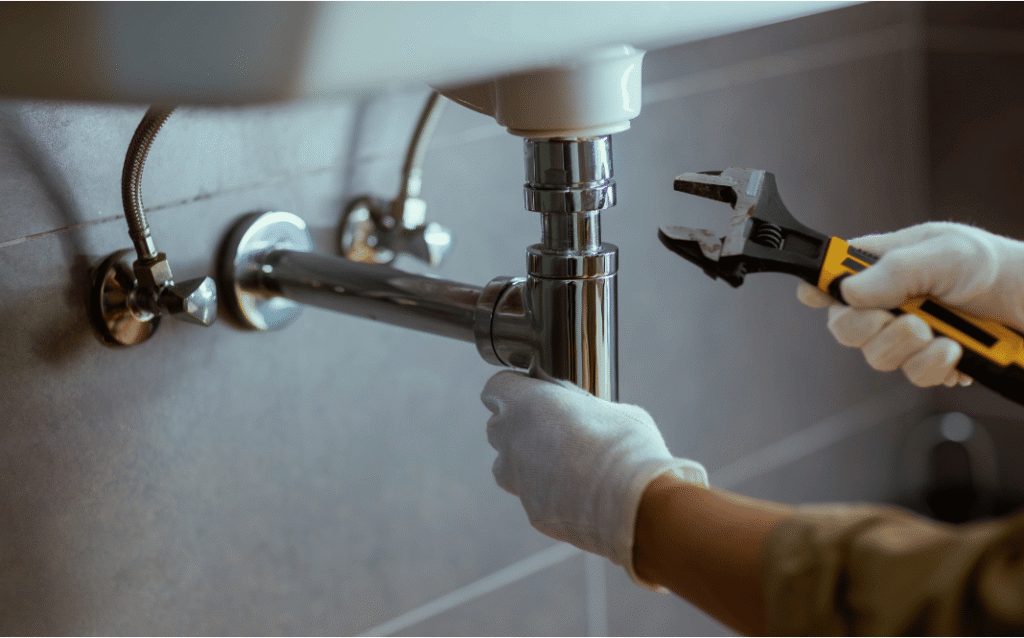
Slow drainage is the plumbing equivalent of a warning light on your dashboard, easy to ignore, but worth paying attention to. Water that lingers in your sink, shower, or tub longer than it should suggests a partial obstruction forming somewhere in the line.
Left unaddressed, partial blockages become complete ones. A plumber can locate exactly where the buildup is occurring and clear it before it develops into a full backup or pipe failure.
What do banging, gurgling, or hissing pipes indicate?
Your plumbing system should operate quietly. If it doesn’t, take note.
- Banging pipes often point to a phenomenon called “water hammer” a pressure surge that occurs when water flow is suddenly stopped
- Gurgling drains can indicate a venting issue or a partial sewer blockage
- Whistling faucets may signal a worn washer or valve
- Hissing sounds inside walls could mean a pressurized leak
Strange plumbing noises are the system communicating that something is off. A professional plumber can identify whether the cause is trapped air, loose fittings, pressure irregularities, or something more serious.
What are the hidden signs of a water leak in your home?
Not all leaks announce themselves with a puddle on the floor. Many develop behind walls, under slabs, or inside ceilings—and by the time they become visible, they’ve already caused significant damage.
Watch for water stains on walls or ceilings, persistent damp spots, mold growth in areas that should be dry, or an unexplained spike in your water bill. Any of these can indicate a hidden leak. Professional leak detection uses pressure testing and thermal imaging to locate the source without unnecessary demolition, protecting both your home and your wallet.
When does a water heater need professional repair or replacement?
Your water heater works hard every day, and like any appliance, it eventually shows signs of wear. Warning signs that warrant a professional inspection include:
- No hot water, or water that fluctuates between hot and cold
- Rust-colored or discolored water from hot taps
- Unusual sounds like popping or rumbling from the tank
- Visible leaks or pooling water near the base of the unit
Whether the issue calls for water heater repair or full water heater replacement depends on the unit’s age, the extent of the damage, and the cost of ongoing maintenance. A licensed plumber can assess the situation and recommend the most cost-effective path forward. Attempting to repair or install a water heater without proper training carries real safety risks—gas connections, pressure relief valves, and electrical components require professional handling.
How do you know if your pipes are old enough to be a problem?
Older homes often have plumbing systems that were never designed to meet modern water quality or pressure standards. Signs that your pipes may need professional attention include visible corrosion or discoloration on exposed pipes, water with an off taste or smell, and a history of recurring leaks at different locations.
Aging materials like galvanized steel and polybutylene are known to degrade over time. A plumber can inspect the full system and advise on whether localized repairs or a broader pipe upgrade makes more sense for your home.
Why are sewer odors and sewage backups considered plumbing emergencies?
A sewer smell inside your home is never normal. It typically signals one of several problems: a cracked sewer line, a blocked drain vent, a broken wax seal, or a full sewage backup.
These issues require immediate professional attention. Raw sewage exposure poses serious health risks, and sewer line damage—if left unrepaired—can contaminate soil, damage your foundation, and lead to a much larger repair bill. This is not a wait-and-see situation.
Why should you involve a plumber early in a home renovation?
Plumbing is one of the most disruptive elements to change mid-renovation. If you’re remodeling a bathroom, finishing a basement, upgrading a kitchen, or adding fixtures anywhere in the home, plumbing decisions made early will save you significant time and money later.
A licensed renovation plumber ensures that all work meets local building codes, that the correct permits are pulled, and that new installations are properly connected to your existing system. Skipping this step often leads to expensive corrections after the fact—or problems that don’t surface until the walls are closed up.
What does it mean when you keep needing temporary plumbing fixes?
Replacing the same faucet component every few months. Plunging the same drain every week. Patching the same leak in the same spot. When temporary fixes keep failing, they’re telling you that the underlying problem hasn’t been addressed.
Repeated repairs on the same issue almost always cost more over time than a single, comprehensive fix. A professional plumber can diagnose what’s actually driving the recurring problem and resolve it correctly—saving you both the ongoing hassle and the cumulative expense.
Why should homeowners hire a licensed professional plumber?
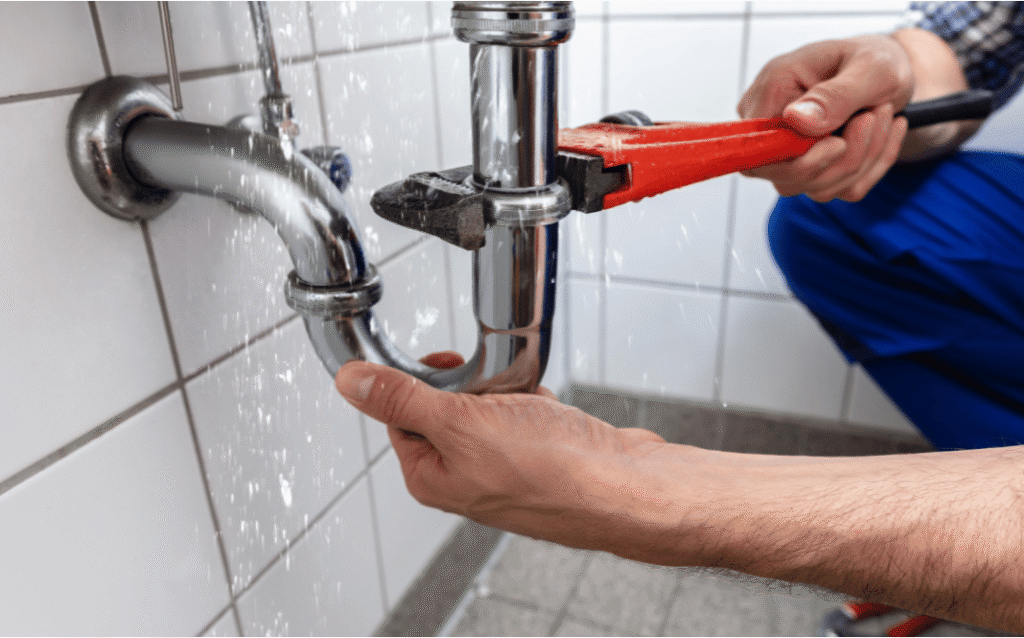
Licensed plumbers bring more than just tools to the job. They have the diagnostic experience to identify issues that aren’t immediately obvious, the equipment to do the job properly without creating new problems, and the knowledge to ensure all work is code-compliant. In many cases, unpermitted or incorrectly completed plumbing work can create complications when it comes time to sell your home.
Beyond fixing the immediate issue, a professional plumber helps prevent future emergencies—which is always the less expensive outcome.
Contact Davidson Plumbing for Reliable Plumbing Services in London, Ontario
If any of the signs above sound familiar, Davidson Plumbing is here to help. Serving homeowners in London, Ontario and the surrounding areas, Davidson Plumbing offers a full range of services including:
- Plumbing repairs — from leaks and clogs to full system inspections
- Water heater repair and replacement
- Renovation plumbing — bathroom, kitchen, and basement projects
- Emergency plumbing services
- Bathroom and fixture installation
Don’t wait for a small problem to become a major one. Contact Davidson Plumbing today to schedule an inspection or speak with a licensed plumber about your home’s needs.
Frequently Asked Questions
How do I know if my plumbing problem is an emergency?
A plumbing emergency typically involves situations that risk immediate water damage, health hazards, or complete loss of water service. Sewage backups, burst pipes, gas line issues near water heaters, and flooding all require urgent attention. If you’re unsure, it’s better to call a plumber and get a professional opinion rather than wait.
Can I use chemical drain cleaners instead of calling a plumber?
Chemical drain cleaners can clear minor, surface-level clogs, but they are not a substitute for professional drain cleaning services. Used frequently, they can corrode pipe walls—particularly in older plumbing systems. For recurring or stubborn blockages, a plumber with hydro-jetting equipment will provide a more effective and safer solution.
How long does a typical plumbing repair take?
It depends on the complexity of the issue. Minor repairs like fixing a leaky faucet or clearing a clogged drain can take under an hour. More involved work—such as pipe replacement, water heater installation, or sewer line repair—may take a full day or longer. A licensed plumber can give you a realistic time estimate after an initial inspection.
Is it worth repairing an old water heater or should I replace it?
Generally, if a water heater is over 10 years old and requiring frequent repairs, replacement is the more cost-effective choice. Newer units are also significantly more energy-efficient. A plumber can evaluate the condition of your current unit and help you weigh repair costs against the long-term savings of a replacement.
Do I need a permit for plumbing work during a home renovation?
In most jurisdictions, yes—particularly for any work that involves moving, adding, or significantly altering plumbing lines. A licensed renovation plumber will know exactly which permits are required in your area and handle the process on your behalf. Skipping permits can create issues with home insurance and future property sales.