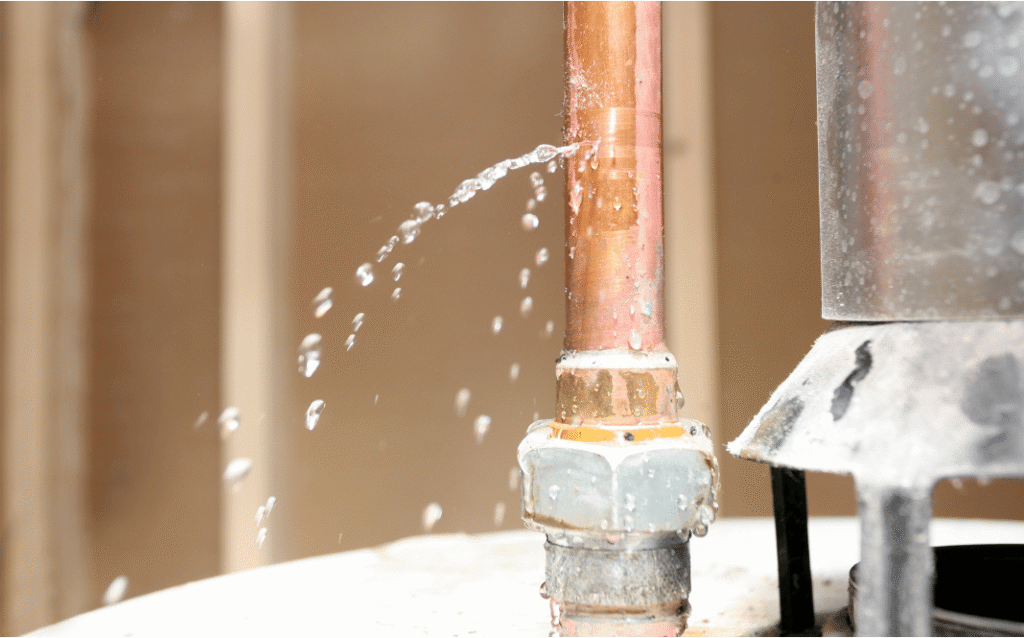
A small plumbing leak may look harmless, but even a slow drip can cause mold growth, structural damage, and skyrocketing water bills over time. Catching and fixing leaks early—ideally with help from a professional plumber—is almost always cheaper and simpler than dealing with the consequences later.
A dripping faucet. A small damp patch under the sink. It’s easy to put these things off, especially when they seem so minor. But small plumbing leaks have a way of quietly causing serious damage long before homeowners realize something is wrong.
Water is patient. It finds its way into drywall, flooring, and insulation—and once it does, the repair bill grows fast. Early action is the single most effective way to protect your home from water damage, mold, and costly structural repairs. For homeowners across London, Ontario, getting a professional plumber involved early can mean the difference between a quick fix and a major renovation.
Why Small Plumbing Leaks Can Become Big Problems
The word “small” is misleading when it comes to leaks. A slow drip that loses just one drip per second wastes more than 3,000 gallons of water per year—and that’s before accounting for any hidden damage accumulating behind your walls.
Constant moisture creates the ideal environment for mold and mildew to take hold. Once mold spreads through drywall or insulation, it becomes both expensive and time-consuming to remove. Beyond mold, water quietly damages the materials around it: drywall softens and crumbles, flooring warps, cabinets swell, and insulation loses its effectiveness.
Perhaps most concerning is what you can’t see. A small visible leak is often a symptom of a larger problem developing deeper in your plumbing system. Hidden leaks behind walls or under floors can go undetected for months—by which point, the damage is extensive.
Common Signs You May Have a Plumbing Leak
Leaks don’t always announce themselves with a puddle on the floor. Here are the warning signs worth taking seriously.
Unexplained Increase in Your Water Bill
If your water usage hasn’t changed but your bill has crept up, water may be escaping somewhere in your plumbing system. Even a small, consistent leak adds up over the course of a billing cycle.
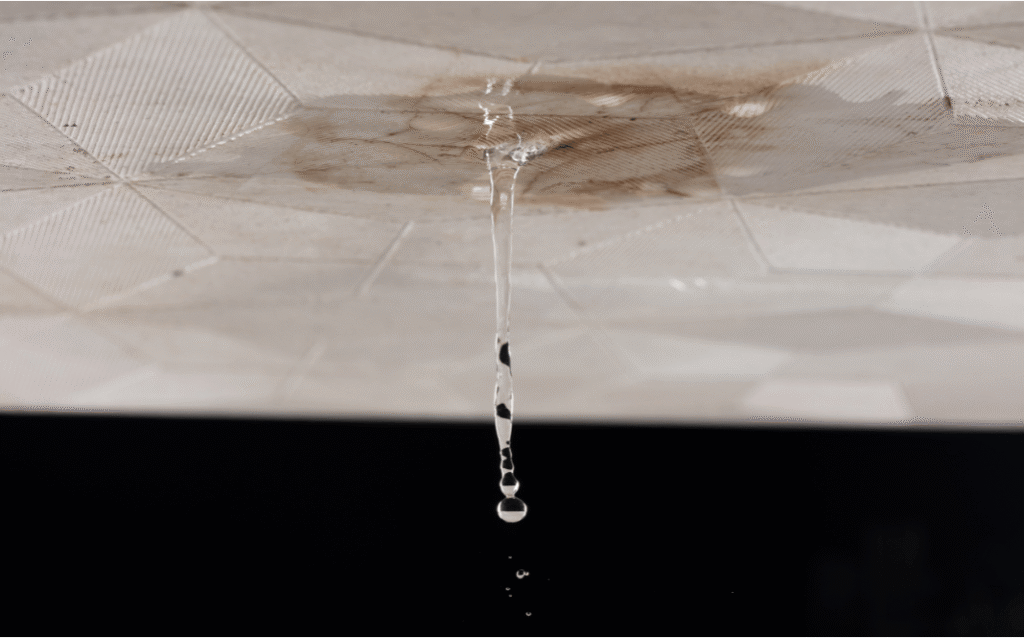
Water Stains on Walls or Ceilings
Yellow or brown stains are one of the clearest indicators of water damage. Ceiling stains, in particular, should be addressed quickly—water pooling above a ceiling can compromise structural materials and, in some cases, lead to collapse.
Musty Smells or Mold Growth
A persistent musty odour in your bathroom, kitchen, or basement often points to moisture trapped somewhere it shouldn’t be. Mold doesn’t need much to thrive—just a consistently damp surface and a little time.
Dripping Sounds or Wet Spots
Hearing water behind your walls or noticing unexplained wet spots on floors or cabinets are both signs that a leak may be active somewhere out of view.
The Hidden Damage Caused by Plumbing Leaks
Water damage is the most immediate consequence. Drywall absorbs moisture quickly, leading to softening, staining, and eventual crumbling. Hardwood and laminate flooring can warp beyond repair. Cabinets near leaking pipes swell and deteriorate. Personal belongings stored in affected areas—documents, furniture, appliances—can be destroyed entirely.
Mold and mildew compound the problem. Once mold takes root in a moist environment, it spreads through porous materials rapidly. Professional mold remediation is not cheap, and in severe cases, affected materials must be completely removed and replaced.
Structural damage is the long-term risk that homeowners tend to underestimate. Water that soaks into wood framing over months weakens the structural integrity of your home. This type of damage is rarely visible until it’s already serious.
Higher utility bills round out the picture. Even minor leaks waste water continuously, adding unnecessary costs to every monthly bill until the problem is resolved.
Common Causes of Small Plumbing Leaks
Understanding where leaks come from helps with both prevention and early detection.
Worn-Out Pipe Connections
Loose fittings and aging connections are a frequent culprit. Over time, the joints between pipes can loosen, allowing water to seep through slowly.
Corroded Pipes
Older plumbing systems—particularly those with galvanized steel or copper pipes—can develop corrosion, cracks, and weak spots that eventually give way.
Damaged Seals and Washers
The rubber seals and washers around faucets, toilets, and fixtures wear out with regular use. A deteriorated washer is one of the most common causes of a dripping faucet.
High Water Pressure
Water pressure that exceeds recommended levels puts ongoing stress on pipes, joints, and fixtures. Over time, that stress creates leaks—and, in worst-case scenarios, burst pipes.
Can You Fix a Small Plumbing Leak Yourself?
Some minor repairs are manageable for a confident DIYer. Replacing a faucet washer or tightening a loose connection under a sink, for example, are relatively straightforward tasks.
However, most leaks warrant professional attention. Temporary fixes—like waterproof tape or sealant—don’t address the underlying cause, and they rarely hold long-term. Hidden leaks, pipe leaks, and any recurring issue should be inspected by a licensed plumber who can identify the true source of the problem and repair it properly the first time.
When Should You Call a Plumber for a Leak?
Some situations call for professional help immediately. Contact a plumber if:
- The leak continues after you’ve attempted basic repairs
- Water is leaking behind walls or through ceilings
- You notice mold, mildew, or visible water damage
- Your water bill has increased without explanation
- You can hear water running but can’t locate the source
- The leak involves your main plumbing lines
When in doubt, it’s always better to call. A quick inspection costs far less than undoing months of hidden water damage.
How Professional Plumbing Leak Repair Can Help
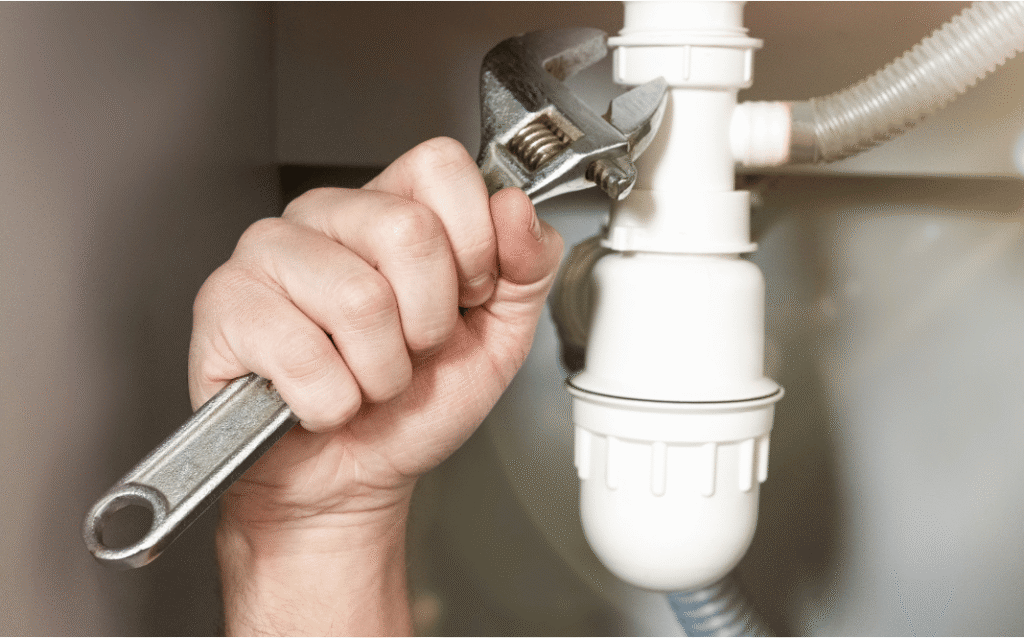
Professional plumbers bring tools and expertise that go well beyond what’s visible to the naked eye. Leak detection equipment can pinpoint the exact source of a hidden leak without unnecessary damage to your walls or floors.
Beyond finding the leak, a qualified plumber will make repairs that address the root cause—not just the symptom. That means fewer repeat problems, better protection against future water damage, and the confidence that your plumbing system is functioning as it should.
Preventing Future Plumbing Leaks
A few straightforward habits can significantly reduce your risk:
- Schedule regular plumbing inspections, especially in older homes
- Replace aging fixtures before they fail, rather than waiting for a leak to appear
- Monitor your water bill monthly and investigate any unexpected increases
- Never ignore small drips—address them as soon as they appear
- Prepare your pipes for Ontario winters by insulating exposed pipes and knowing how to shut off your water supply in an emergency
Call a Trusted Plumber in London Ontario for Leak Repairs
Don’t wait for a small leak to turn into a major plumbing emergency. If you’re noticing dripping pipes, water stains, rising water bills, or any of the warning signs covered in this post, the time to act is now.
Davidson Plumbing provides professional plumbing leak repair across London, Ontario. Their team can accurately detect leaks, complete lasting repairs, and help protect your home from further damage.